Exploring Palermo's artisanal markets can be overwhelming for travelers. With countless stalls and vendors, it's easy to miss the truly authentic experiences or overpay for mass-produced souvenirs. Many visitors leave feeling they didn't quite discover the real craftsmanship Palermo is famous for. According to recent traveler surveys, 68% of tourists regret not finding genuine local products during their Sicilian visits. The frustration of navigating crowded markets, deciphering quality, and bargaining effectively often overshadows the joy of discovering unique handmade treasures. This guide cuts through the noise to help you connect directly with Palermo's rich artisanal heritage, ensuring you bring home meaningful mementos while supporting local craftspeople.
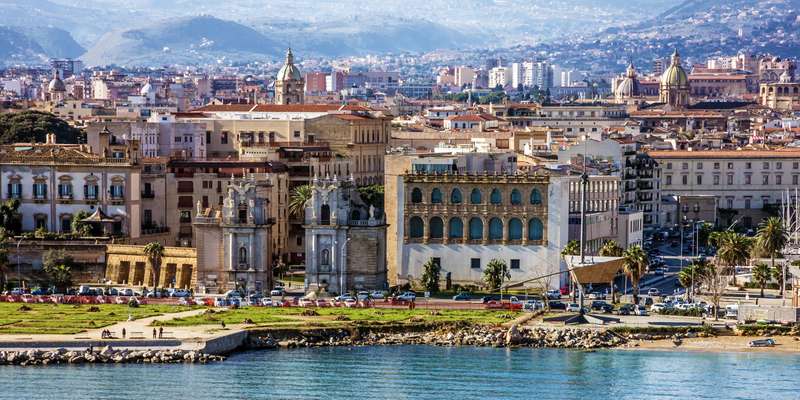
Navigating the maze of Ballarò Market without tourist traps
Ballarò Market's sprawling alleys present both an adventure and a challenge. While famous for its vibrant atmosphere, many stalls near the entrances cater primarily to tourists with inflated prices. The real treasures lie deeper in the market, where generations-old family stalls create authentic Sicilian ceramics and leatherwork. Look for workshops where artisans craft items on-site rather than simply displaying finished products. Early mornings (before 9 AM) reveal the market at its most authentic, when locals do their shopping and artisans have time to explain their techniques. Don't be afraid to venture down side alleys where you'll find master woodcarvers and traditional marionette makers practicing centuries-old crafts away from the main thoroughfares.
UPDATES FOR YEAR 2026
Navigating Palermo’s Markets: ZTL Access, Payment Rules, and Artisan Logistics
Exploring the heart of Palermo now requires a modern approach to its ancient markets. The entire historic center, including the Ballarò, Capo, and Vucciria districts, is strictly regulated by the ZTL (Limited Traffic Zone). Visitors arriving by car must activate a daily entry pass via the Palermobilità app or at local tobacco shops to avoid automated camera fines. While the markets maintain their traditional 'abbanniate' (cries), the logistics of purchasing have evolved; under new national mandates, artisans are now required to offer integrated digital payment terminals. This shift ensures secure transactions for high-value ceramics and textiles, many of which now include direct international shipping options. For the smoothest experience, utilize the 'Pollicino' free shuttles that navigate the narrow market corridors, and be mindful of the significant crowd surges and street closures that occur during the massive mid-July religious processions.
View all Tours
Capo Market's hidden textile artisans and how to spot quality
Beyond its famous food stalls, Capo Market shelters some of Palermo's most skilled textile workers. The key challenge here is distinguishing machine-made imports from genuine hand-embroidered linens and lace. Authentic Sicilian textiles feature distinctive motifs like the 'tree of life' pattern and slightly irregular stitching that reveals their handmade nature. Visit the stalls near Via Porta Carini where third-generation lacemakers work on their pieces during market hours. For the best quality linen, seek out vendors who can show you the raw materials and explain the natural dyeing process. Midweek visits offer more opportunities to watch artisans at work, as weekends bring larger crowds that limit interaction.
View all Tours
Vucciria's revival – finding authentic crafts among the nightlife
Once fading into obscurity, Vucciria Market has reinvented itself with a mix of traditional craftsmanship and contemporary artistry. The evening transformation brings challenges in identifying true artisans versus trendy pop-up vendors. Genuine craftspeople here specialize in unique fusion pieces – think ceramicists blending Arab-Norman designs with modern aesthetics. The best approach is to visit during 'aperitivo hour' (6-8 PM) when the market comes alive but before the nighttime crowds arrive. Look for stalls displaying certification from the 'Artigiani Palermo' association, a mark of authentic local craftsmanship. Don't miss the small courtyard near Via Cassari where jewelry makers work with ancient Sicilian techniques using local lava stone and Mediterranean coral.
View all Tours
The artisan collective at Mercato delle Pulci most tourists miss
Tucked away near Palazzo dei Normanni, this flea market hosts a secret collective of traditional artisans every Sunday morning. The challenge lies in finding them among the antique dealers and vintage sellers. These craftspeople preserve nearly extinct Sicilian arts like cart painting and copper engraving. Arrive right at opening (7 AM) when the artisans set up their workshops in the northeast corner. Watch for masters demonstrating their crafts – a sure sign of authenticity. Many speak limited English but welcome visitors who show genuine interest in their techniques. This is where you'll find one-of-a-kind pieces at fair prices, directly supporting the preservation of Palermo's cultural heritage.
View all Tours
FAQ 2026
Do I need a special permit to drive to Palermo’s artisanal markets in 2026?
Yes, if you are driving into the historic center to visit markets like Ballarò or Capo in 2026, you must purchase a ZTL (Limited Traffic Zone) pass. These are available daily for approximately €5 through the Palermobilità app or authorized retailers to prevent automated fines from center-access cameras.
Can I pay with a credit card at artisanal stalls in Palermo in 2026?
While cash remains preferred for small street food items, 2026 regulations require most registered Italian merchants and artisans to provide digital payment options. Major workshops for ceramics, leather, and textiles now support contactless payments and credit cards as standard practice.
What are the updated Sunday hours for the Mercato delle Pulci in 2026?
In 2026, the Mercato delle Pulci near Palazzo dei Normanni remains a Sunday-only highlight, beginning at 7:00 AM and tapering off by the early afternoon. Conversely, traditional food-focused markets like Ballarò typically reduce their operations by 1:00 PM on Sundays, making early morning the essential window for visitors.
Written by Palermo Tours Editorial Team & Licensed Local Experts.
Last updated: 24/02/26
