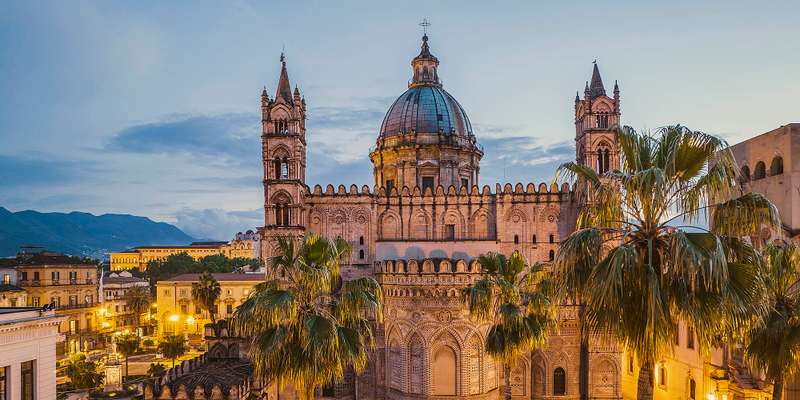
Most visitors to Palermo never venture beyond the Norman Palace and Palermo Cathedral, missing the city's true soul. Over 80% of travelers cluster at just 5 major sites, creating overcrowded experiences while quieter neighborhoods remain unexplored. This cultural tunnel vision leaves tourists with generic impressions of Sicily's capital, unaware of its vibrant street markets, hidden Baroque courtyards, and family-run trattorias where generations share recipes. The frustration mounts when you return home realizing your photos look identical to every other travel blog, lacking those authentic moments that make Palermo Europe's most intriguing crossroads of Arab, Norman, and Italian cultures. Locals whisper about secret chapels with Byzantine mosaics and underground tunnels from WWII, but these treasures rarely appear on generic 'top 10' lists.
How to find authentic street food away from Ballarò crowds
While Ballarò Market dominates Instagram feeds, Palermitans know the backstreets of Capo district hide better arancini and panelle. Start at Piazza Beati Paoli, where unmarked stalls sell crispelle (rice fritters with anchovies) from 7AM until the dough runs out. Walk northwest along Via Porta Carini to discover Nni Franco u Vastiddaru, a 1950s kiosk serving sublime spleen sandwiches without the Ballarò markup. For sunset aperitivo, join students at Vinoteca Picone near Teatro Massimo, where €5 buys a glass of Nero d'Avola with boards of aged pecorino and prickly pear jam. These spots reveal Palermo's culinary heartbeat without performance tourism – watch nonnas critique each vendor's panelle thickness like Olympic judges.
View all Tours
The underground wonders even many locals don't know
Beneath Palermo's Baroque facades lies a labyrinth of WWII shelters and Arab-era qanats (water channels). The most accessible hidden network is at Chiesa del Carmine Maggiore, where a €2 donation grants access to Norman-era crypts with Crusader graffiti. More adventurous explorers should book the Qanat Gesuitico experience, descending 12 meters into 12th-century engineering marvels that cooled the city. For something truly unique, Palazzo Asmundo's private collection includes a secret room of Inquisition torture devices, explained by the curator's gripping stories. These sites require some Italian phrases or a local guide, but reward you with perspectives no guidebook captures.
UPDATES FOR YEAR 2026
Palermo Unlocked: New Access Rules for Hidden Wonders
Navigating the city's hidden layers now requires digital foresight. For the subterranean Qanat Gesuitico, reservations have transitioned to a strictly online-only model via authorized cultural portals; on-site cash payments are no longer accepted, and you must complete a mandatory insurance form via the booking link prior to arrival. The experience now costs approximately €17, including the mandatory online booking fee. If you are exploring the narrow streets by car, the 'ZTL Centrale' is strictly monitored by automated cameras. Drivers should utilize the official Palermobilità app to secure a daily access pass—currently €5 for standard vehicles and €2.50 for hybrids—to avoid significant fines. With record-breaking passenger volumes at the airport, look for the newly implemented biometric self-boarding gates and digital security lanes designed to streamline the arrival process for international travelers.
View all Tours
Where to experience Palermo's living artisan traditions
The backstreets of Kalsa district shelter workshops keeping centuries-old crafts alive. Ceramica Santa Teresa still produces hand-painted tiles using Arab-Norman techniques – their €15 miniature coralli (coral motifs) make perfect souvenirs. Nearby, Franco Fazio's marionette studio demonstrates traditional Opera dei Pupi shows, with dramatic knight battles that enthrall kids and adults alike. For textile lovers, Tramando Sicilia's founder teaches free weaving demonstrations on Tuesdays using antique looms. These living museums prove Palermo's culture isn't frozen in churches, but thrives in hands shaping wood, clay, and silk daily.
View all Tours
Secret gardens and viewpoints even in peak season
Escape midday crowds at Oratorio di San Lorenzo's cloister, where a €3 entrance reveals a peaceful courtyard with lemon trees and 17th-century stuccoes. For panoramic views without the Palazzo dei Normanni lines, take the free elevator at Rinascente department store to its seventh-floor terrace café. The best sunset spot? Locals favor Villa Giulia's less-visited eastern edge, where stone benches face the gulf with Mount Pellegrino silhouetted. Carry a €1 cannolo from Pasticceria Cappello to enjoy as church bells echo across the bay – this is the Palermo memory you'll cherish beyond any cathedral interior.
View all Tours
FAQ 2026
How do I book a tour of the Qanat Gesuitico in 2026?
Reservations for the Qanat Gesuitico must be made exclusively through the Archeofficina online portal at least two days in advance. On-site payments are not accepted in 2026, and visitors must provide insurance details through a digital form sent with their ticket confirmation.
What are the Palermo ZTL rules for rental cars in 2026?
In 2026, rental cars entering the historic center must have a ZTL pass, which costs €5 per day. You can purchase this via the Palermobilità app or at local tobacco shops (tabacchi); failure to activate the pass before entering the camera-monitored zone results in automatic fines.
Is the Oratorio di San Lorenzo still accessible to the public in 2026?
Yes, the Oratorio di San Lorenzo remains open in 2026, though a small admission fee is now standard to support the preservation of Giacomo Serpotta’s stucco masterpieces. It is recommended to visit in the morning between 9:00 AM and 1:00 PM to avoid potential closures for private cultural events.
Written by Palermo Tours Editorial Team & Licensed Local Experts.
Last updated: 24/02/26
